For a long time, elevator design and visual aesthetics were not considered critical factors. A standard “steel box” was deemed sufficient, provided its technical parameters met operational requirements and it could deliver fast vertical transportation for passengers. Today, the landscape has fundamentally shifted—elevator design is recognized as an integral component of a building’s interior architecture, and immense attention is dedicated to its aesthetic execution.
When an experienced elevator company is involved early in the planning phases, clients receive professional guidance right from the initial consultation. This ensures the selected system is not only a highly practical choice but also an optimized architectural solution. Because an elevator in modern structures is rarely hidden away, it heavily influences a visitor’s first and final impressions—a factor that carries immense weight for commercial real estate.
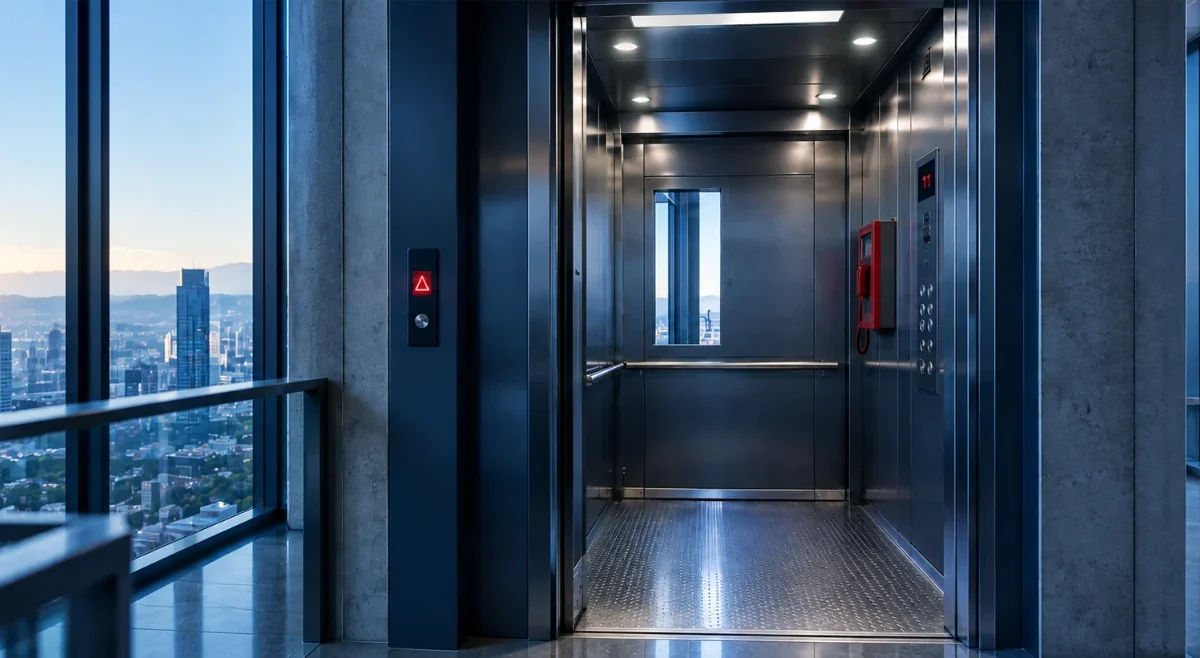
Consequently, when designing major commercial properties, preference is frequently given to bespoke and panoramic elevators. The strategy relies on the fact that sweeping panoramic views and unique, memorable cabin interiors generate a distinct “wow” effect on visitors, priming them positively toward the property itself. A prime example of this execution is the “Atrium” Business Center, where premium-class, fully panoramic elevators were selected for this precise reason.
The Impact of Glass Walls and Kinetic Architecture
In contemporary architecture, “kinetic” or moving facades are gaining substantial popularity. An external panoramic elevator is a direct expression of this concept, injecting dynamic movement into a static building envelope. Beyond the striking visual impact, glass cabins serve a highly pragmatic purpose. Traditional concrete hoistways consume significant square footage within a layout and block natural light infiltration. By utilizing a transparent glass structure, architects can seamlessly maximize daylighting and engineer an open-space effect.
From an engineering standpoint, modern panoramic elevators are entirely safe. The enclosure is engineered from specialized laminated safety glass, consisting of two or more glass layers bonded together by a resilient plastic interlayer (PVB). This technology ensures that even in the highly unlikely event of a fracture, the glass fragments remain adhered to the interlayer, preserving the structural integrity of the cabin.
Integrating this elevator class is exceptionally advantageous for low-rise commercial properties and private luxury residences. If space is at a premium, a glass elevator featuring an integrated structural shaft conserves valuable footprint and blends organically into the interior.
Elevators as a Marketing Tool: Why Design Matters
The historic integration of mirrors in the elevator industry carries an interesting background. Mirrors were initially introduced inside cabins not for passengers to check their appearance, but to mitigate psychological anxiety and claustrophobia. The mirror engineered an illusion of expanded space and provided a vital visual distraction. Panoramic models resolve this psychological challenge naturally, without relying on optical illusions.
While the initial capital expenditure for structural glass configurations is higher than for traditional blind models, the long-term return on investment almost always justifies the cost. Ultimately, the key is to align the elevator specification with the primary purpose of the space. A properly selected elevator system directly translates into measurable financial assets.
When passengers are granted the opportunity to maintain visual contact with their surroundings, the anxiety triggered by confined spaces is drastically reduced. In hotels and retail malls, this factor correlates directly with overall visitor satisfaction: a relaxed guest who experiences positive emotions develops higher brand loyalty.
Beyond emotional psychology, the financial upside is substantial. Real estate market data consistently indicates that buildings outfitted with panoramic elevators are viewed as premium-grade assets. For private luxury estates, this architectural asset can increase total property valuation by up to 10%. In the commercial sector, it delivers a powerful competitive advantage that renders the property highly attractive to premium, high-tier corporate tenants.
“Sense of Arrival”: Why Elevator Aesthetics are Critical
While a panoramic elevator highlights the external view, a bespoke passenger elevator focuses on transforming the interior spatial experience. Within the hospitality industry, professionals frequently emphasize the “Sense of Arrival”—the immediate cognitive and emotional impression a visitor forms upon entering a property, which relies almost entirely on first contact.
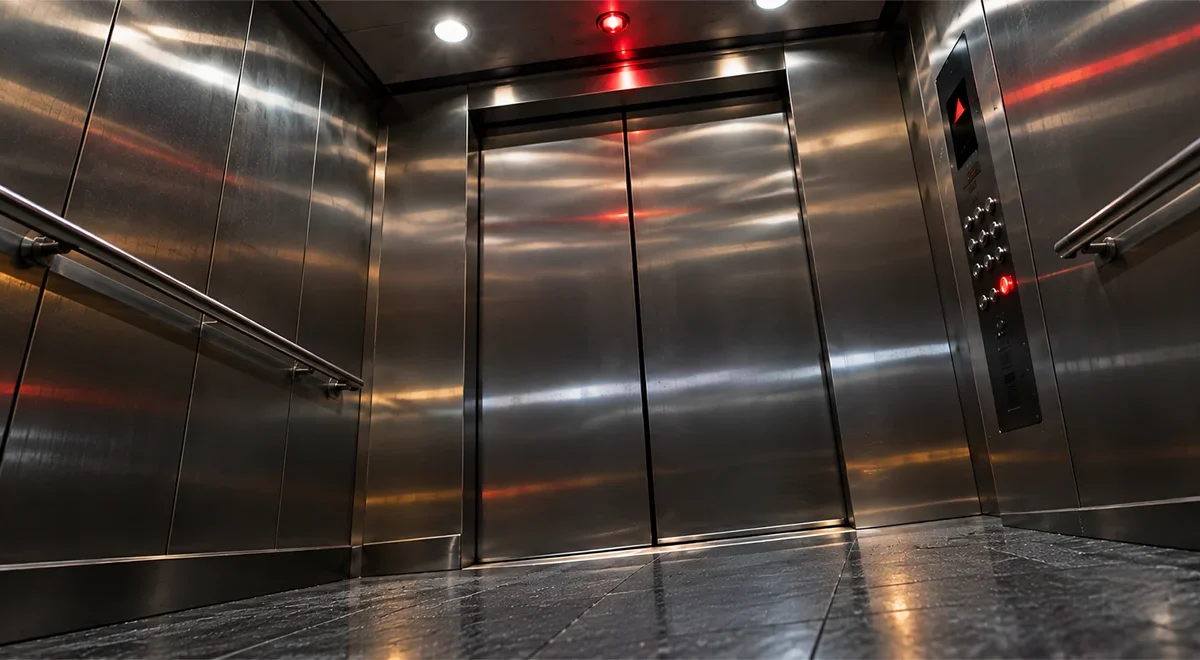
An aesthetic mismatch between an elevator interior and the property’s premium market positioning can cause measurable harm to a brand’s reputation. If a building greets guests with a luxurious lobby featuring marble flooring and high-end architectural lighting, but the elevator doors open to reveal a standard, uninspired, utilitarian cabin, the perception of prestige is instantly compromised.
If the architectural priority is to optimize daylighting and expand spatial volume, a structural glass configuration is the ideal path. However, if the goal is to transform the elevator into an organic extension of the building’s corporate branding, prioritizing a bespoke, custom-designed interior cabin is far more effective. The finish materials can be meticulously coordinated with the main lobby design, utilizing premium hardwoods, natural stone cladding, fine leather accents, or warm-toned architectural metals.