The elevator is an indispensable part of modern living. Fortunately, it tops the list as arguably the safest mode of transportation on Earth; yet for many individuals, riding in an elevator remains a source of severe anxiety.
The irrational and intense fear of elevators is known as elevatophobia. When someone suffers from this phobia, their fear extends far beyond mere discomfort and can severely restrict their daily routine—forcing them to decline career opportunities on upper floors, avoid visiting friends, or even pass up essential services. Fortunately, we understand so much about this anxiety today that we can successfully combat it. The key lies in approaching the problem mindfully and selecting the right path of treatment; with time, individuals can eventually regain the freedom to utilize elevators without distress.
In this blog post, we will explore the primary root causes of elevatophobia and discuss highly effective strategies to overcome it.
The Primary Root Causes of Elevatophobia
The fear of elevators is frequently triggered by a combination of several factors, and its origin is typically hidden within past experiences or existing surroundings.
Past Traumatic Experiences: This is the most common cause. Crucially, the experience does not even need to involve an actual catastrophic event—there are countless instances where getting briefly stuck in an elevator, experiencing an abrupt halt, or facing a minor technical glitch that was quickly resolved became the ultimate catalyst for elevatophobia. This occurs because such an event establishes a rigid negative association in the brain, causing elevators to be equated with immediate danger. Following a traumatic event, the brain’s threat-detection center—the amygdala—becomes hypersensitive and automatically triggers an anxiety response to any stimulus associated with an elevator.
Vicarious Learning (Observational Learning): A phobia does not always require personal negative experience to develop; it can also take shape through observing the experiences of others, particularly during childhood. For example, if a child witnesses a parent or another authority figure panic when entering an elevator, they register this behavior and subconsciously “learn” that elevators are inherently dangerous.
Media Influence: In the 21st century, media plays a massive role. Movies and television series frequently feature highly dramatic, exaggerated scenes of plunging elevators, entrapments, and other structural catastrophes, which further amplifies latent fears.
Effective Strategies to Overcome Elevatophobia
Fortunately, elevatophobia is entirely treatable, and numerous effective methods exist to combat it. These techniques assist individuals in managing their anxiety profiles and reshaping their negative perceptions regarding elevators.
One of the first steps involves replacing irrational fears with verified technical facts. If you experience a relatively mild form of elevatophobia, self-training techniques (autosuggestion) can be highly effective by continuously reminding yourself of the specialized redundant systems that guarantee elevator safety:
Redundant Steel Hoist Ropes: Modern elevators are supported by multiple high-tensile steel hoist ropes. Each individual rope is woven from numerous strong steel wires, and a single rope is engineered with a structural safety factor sufficient to hold a fully loaded cabin entirely on its own.
Emergency Breaking Systems (Safeties): Modern elevators are equipped with automatic mechanical brakes. If the elevator’s operational speed exceeds a safe threshold, specialized overspeed governors instantly deploy these emergency brakes, clamping the cabin securely onto the guide rails so it cannot move until the technical fault is resolved.
Ventilation and Emergency Communication Networks: Modern cabins feature active ventilation arrays and dedicated emergency communication networks, ensuring you remain in continuous contact with a rescue team from inside the cabin.
If you require an extra layer of reassurance, you can check secondary details, such as which professional company installed the elevator and what manufacturer brand it belongs to. A reputable elevator company always ensures that passenger safety is protected to the absolute maximum and partners exclusively with manufacturers that adhere to strict, codified global engineering standards. In this industry, an established brand reputation serves as a genuine guarantee of safety.
To manage the physical symptoms of anxiety, breathing and grounding exercises are exceptionally effective:
Box Breathing (The 4-4-4-4 Method): Inhaling for 4 seconds, holding the breath for 4 seconds, exhaling for 4 seconds, and holding again for 4 seconds actively calms the autonomic nervous system.
The “5-4-3-2-1” Grounding Technique: This highly popular method involves identifying 5 things you can see, 4 things you can physically touch, 3 things you can hear, 2 things you can smell, and 1 thing you can taste. This technique firmly anchors the mind to present reality, effectively diverting focus away from anxiety loop cycles.
However, if an individual experiences a severe form of elevator phobia that substantially disrupts their day-to-day life, seeking professional clinical assistance is the best path forward. Cognitive-Behavioral Therapy (CBT) is widely recognized as one of the most successful modalities for resolving phobias. A core component of this is exposure therapy, where the individual—guided by a licensed therapist in a controlled environment—gradually confronts their fear in structured increments, starting with simply viewing a photograph of an elevator and progressing toward riding in one completely alone.
Other Phobias Mimicking the Fear of Elevators: Claustrophobia, Cleithrophobia, and Acrophobia
Elevator phobia rarely presents as an isolated condition; it is frequently an overt symptom of a broader underlying anxiety profile. An individual might experience one of the phobias listed below in a mild, manageable form during daily routines, yet find their fear accelerating uncontrollably within the specific confines of an elevator. Identifying which phobia is truly dominant is critical to tailoring the appropriate therapeutic approach.
Claustrophobia: The irrational fear of enclosed or restricted spaces. The small, enclosed cabin of an elevator is a classic trigger for this condition. While a person might manage to navigate small rooms or crowded spaces, the highly confined environment of an elevator can make their anxiety feel unbearable.
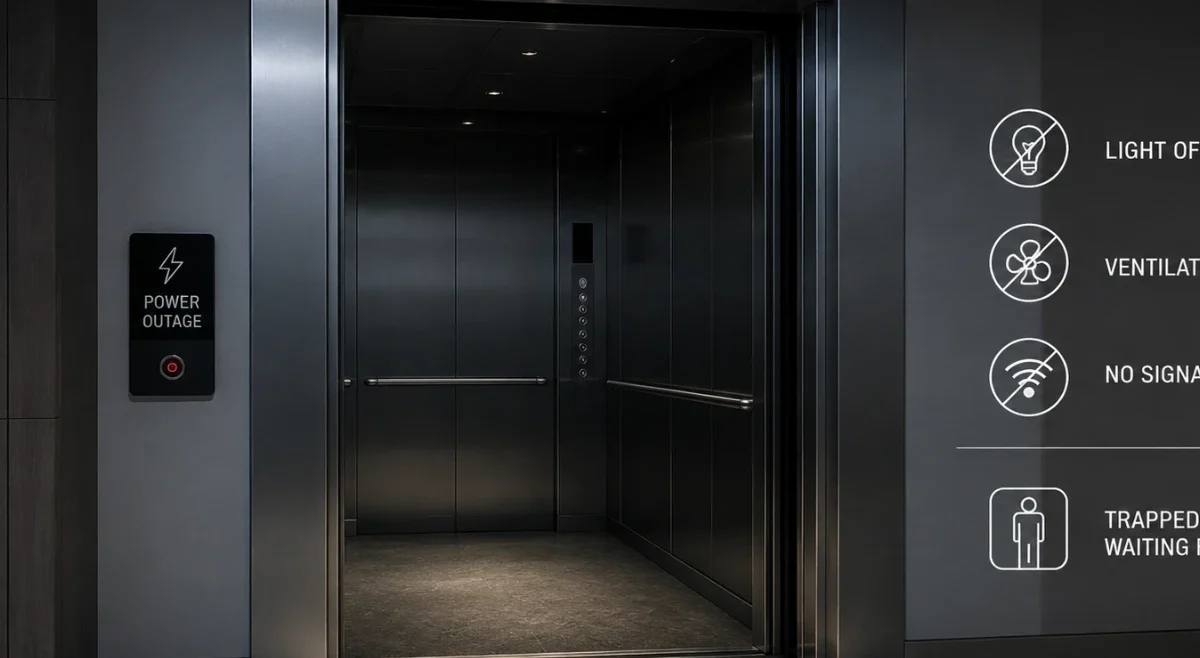
Cleithrophobia: Distinct from claustrophobia, this is not the fear of small spaces themselves, but specifically the fear of being trapped, locked in, or losing control. In the context of an elevator, the primary trigger is the complete loss of autonomy. An individual with cleithrophobia may feel completely fine in a small room as long as the door remains unlocked and they know they can leave at will; however, the moment an elevator door closes and locks them in until the next landing, the situation becomes exceptionally challenging.
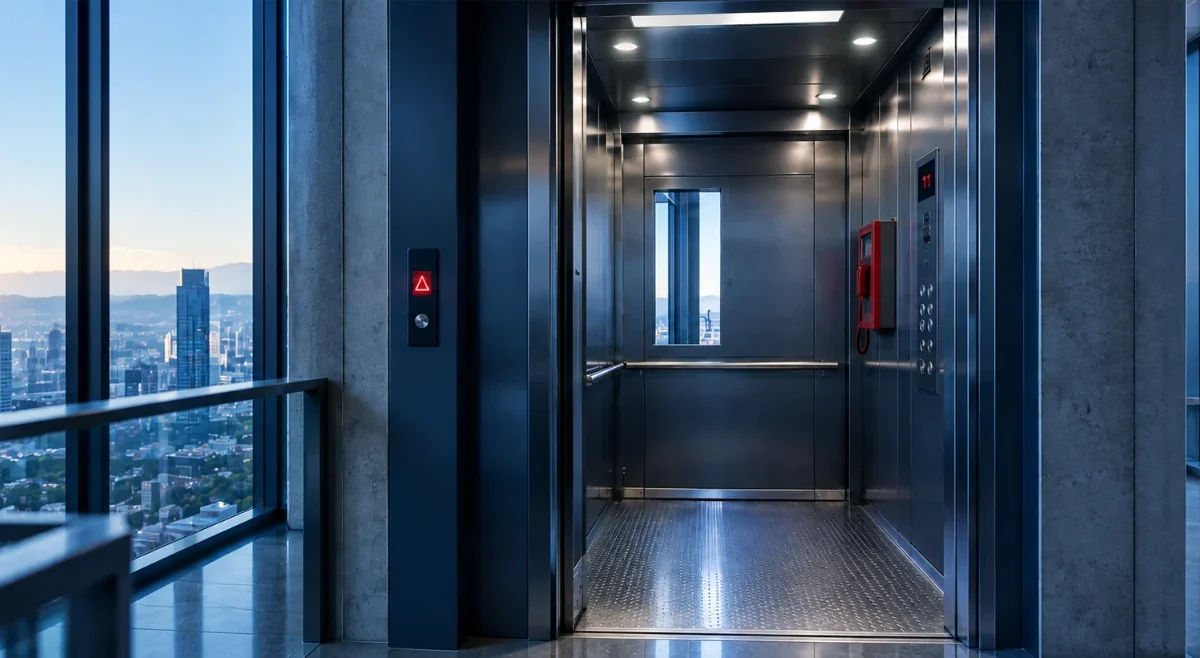
Acrophobia: The irrational fear of heights. This anxiety intensifies on higher floors, and becomes particularly acute when riding in glass or panoramic elevators. The physical sensation of vertical motion, combined with the visual awareness of being dozens of meters above the ground, severely exacerbates the fear—even if that same individual can stand calmly on a high building’s balcony.
If the underlying issue is actually a deep-seated fear of heights or enclosed spaces, clinical treatment must be directed at resolving that core phobia rather than treating the elevator setting in isolation.
Overcoming a fear of elevators is completely achievable. Because multiple distinct therapeutic approaches exist, you can always select the strategy that proves most effective for your specific challenge. The most critical step is acknowledging the problem and taking that initial, slightly uncomfortable step toward addressing it—every step that follows will be significantly easier.