Installing an elevator in a building is a critical process. Moving forward, it bears a long-term impact on user comfort and safe mobility. Over time, making the wrong choice can lead to excessive energy expenditures or operational discomfort.
Today’s market offers devices with various types and technologies, each designed for a specific purpose. This blog post explores the primary elevator types, drive mechanisms, and the key criteria that will help you make the right decision during the selection process.
Classification by Application
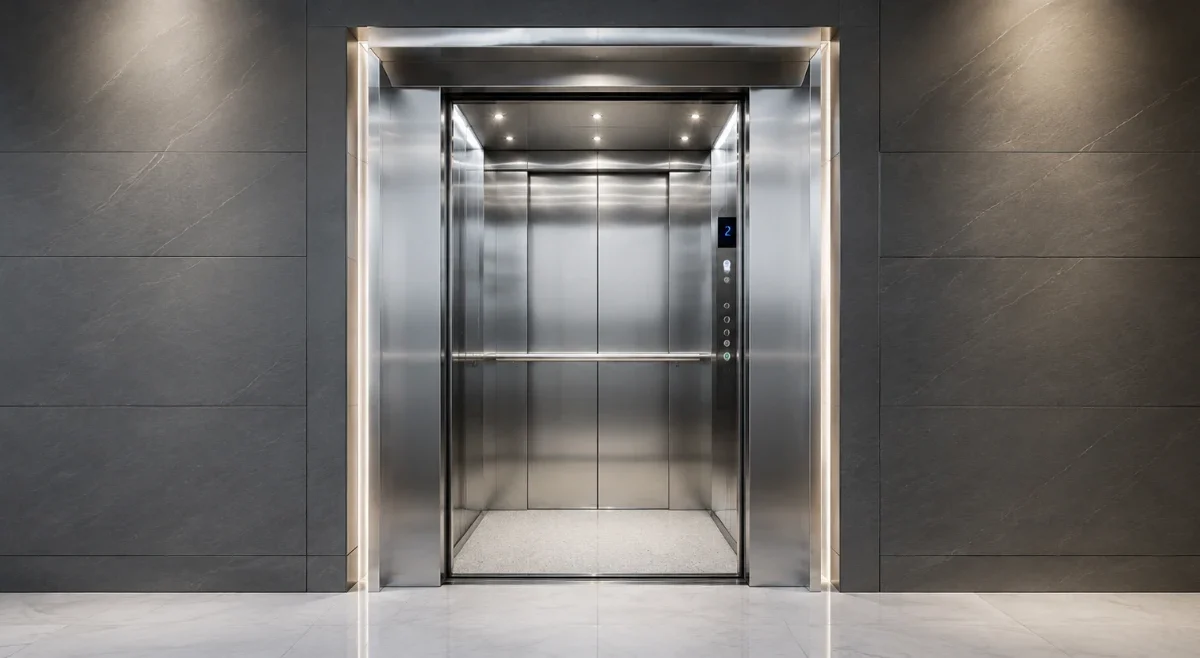
Elevator types are primarily categorized by their intended application. Passenger elevators are designed specifically to transport people. Their cabins prioritize comfort, incorporating mirrors, optimized lighting, and aesthetic finishes. Capacity typically ranges from 1000 to 2000 kg, making them ideal for residential buildings and office complexes.
Freight elevators serve a different operational task. Their sole function is the vertical transportation of heavy goods.
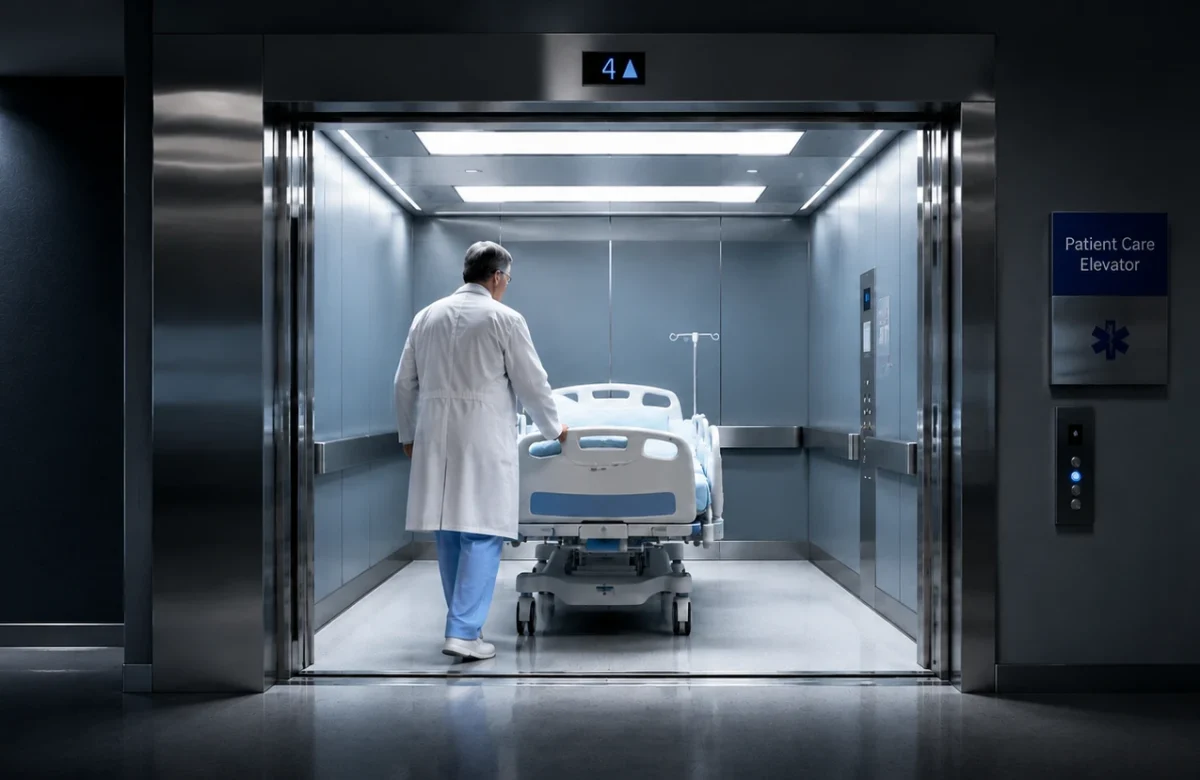
A distinct category includes service units utilized in hotels, hospitals, and restaurants to transport cargo, supplies, and utility equipment.
Drive Mechanisms: How Each System Operates
Beyond application, understanding the underlying drive mechanism is equally vital when making a selection. Each system carries its own set of advantages and limitations.
- Hydraulic Systems: These systems operate via fluid pressure. A motorized pump directs hydraulic fluid toward a cylinder, causing a plunger to move upward and lift the cabin to the designated height. During descent, a valve opens to allow the fluid to gradually return to the reservoir. This mechanism performs exceptionally well in 5-6 story buildings. Its mechanical simplicity enhances reliability, though its operational speed remains relatively low.
- Traction Systems: These units operate utilizing a system of ropes and counterweights. Steel hoist ropes connect the cabin to a counterweight, while an electric motor drives the sheave to move the cabin. This system is distinguished by its high-speed capabilities, making it ideal for high-rise structures.
- MRL (Machine Room-Less) Systems: MRL elevators have seen a major surge in popularity in recent years. Eliminating a dedicated machine room yields a massive advantage in terms of space conservation. Furthermore, these systems are highly energy-efficient. New elevator installations—particularly within residential complexes and mid-sized commercial buildings—frequently utilize this configuration.
- Pneumatic Elevators: These lifts move utilizing air pressure differentials. They are compact and straightforward to install, which is why they are often found in private residences. However, the capacity of these residential lifts is limited, usually accommodating only 2-3 passengers, and their speed is low. Consequently, they are unsuitable for multi-story buildings.
- Escalators and Moving Walks (Travolators): These provide the most convenient solution for rapidly moving heavy pedestrian traffic. Predominantly found in shopping malls and transit hubs, their primary purpose is to transfer passengers between floors in the shortest time possible.
Size, Capacity, and Speed Across Elevator Types
In addition to type and technology, dimensions, load capacity, and speed are the precise parameters that shape a building’s daily operations.
In residential buildings, standard cabin widths typically range from 800 to 1100 mm, with depths between 1000 and 1400 mm, providing sufficient space for a few passengers. In commercial buildings, cabins are larger—widths start from 1100 mm and depths exceed 1400 mm. This expanded footprint is essential for ensuring accessibility for wheelchair users.
Capacity selection is closely tied to building typology:
- Small Residential / Private Homes: A capacity of 320–450 kg (4–6 passengers) is generally sufficient.
- Mid-Sized Offices / Hotels: A range of 630–1000 kg (8–13 passengers) is optimal.
- Commercial Centers / Hospitals / Airports: Where foot traffic is heavy, units with a capacity of 1275–2000 kg (17–26 passengers) are required. The operational speed must be scaled proportionally to the building’s overall height.
Manual vs. Automatic Doors: A Comparison
The type of door system directly influences both passenger comfort and structural safety. Manual doors require passengers to open and close them by hand. While structurally simple and cost-effective to install, they are less reliable from a safety standpoint—if a door is not closed properly, operational risks increase. Consequently, they are mostly confined to low-occupancy residential settings.
Automatic doors utilize sensors to open and close seamlessly. This configuration is highly hygienic, as it eliminates the need to touch surfaces, making it the superior choice for commercial buildings and public spaces.
Modern Technologies and New Horizons
Today’s industry features advanced systems integrated with IoT sensors and Artificial Intelligence. These smart platforms automatically regulate cabin dispatching and traffic flow.
Additionally, regenerative drives capture up to 75% of the energy generated during braking and feed it back into the building’s electrical grid. This significantly lowers long-term utility expenses.
Another major breakthrough across elevator types is the paradigm shift in upkeep strategies. Historically, equipment servicing followed a rigid calendar schedule. Modern systems actively monitor component health to detect technical anomalies before they develop into actual equipment failures. This proactive approach extends the asset’s service life. As an industry leader, CLC Elevator offers a comprehensive assortment of these advanced modern systems.
Key Factors Driving the Selection Process
A proper selection depends on evaluating several core metrics:
- Building Height: This dictates the required mechanism. Hydraulic systems perform well up to 5-6 stories. For mid-rise structures, MRL systems are often the most practical choice since they eliminate the need for a separate machine room.
- Traffic Flow: In a residential building with moderate daily movement, a standard passenger elevator is adequate. In contrast, a shopping center or hospital requires higher load capacities and faster speeds to handle continuous, intense traffic throughout the day.
- Spatial and Compliance Constraints: Available hoistway space, power consumption, and strict alignment with safety codes must be factored into the equation. All these parameters are interconnected, and the final decision must stem from a holistic evaluation.
CLC Elevator: Your Guarantee for the Right Choice
As highlighted, selecting the proper elevator type is a highly technical challenge. Building specifications, user requirements, and long-term operational conditions must all be thoroughly evaluated.
CLC Elevator is a trusted name in the industry. Our technical team conducts on-site evaluations of building metrics, assesses specific requirements, and delivers tailored recommendations to clients. If you are planning an equipment installation, partnering with an experienced company is the best path forward. This ensures your elevator precisely matches the real-world needs of your building.